Health
Technology as an ally in valuing life
Technology as an ally in valuing life
11/09/2023


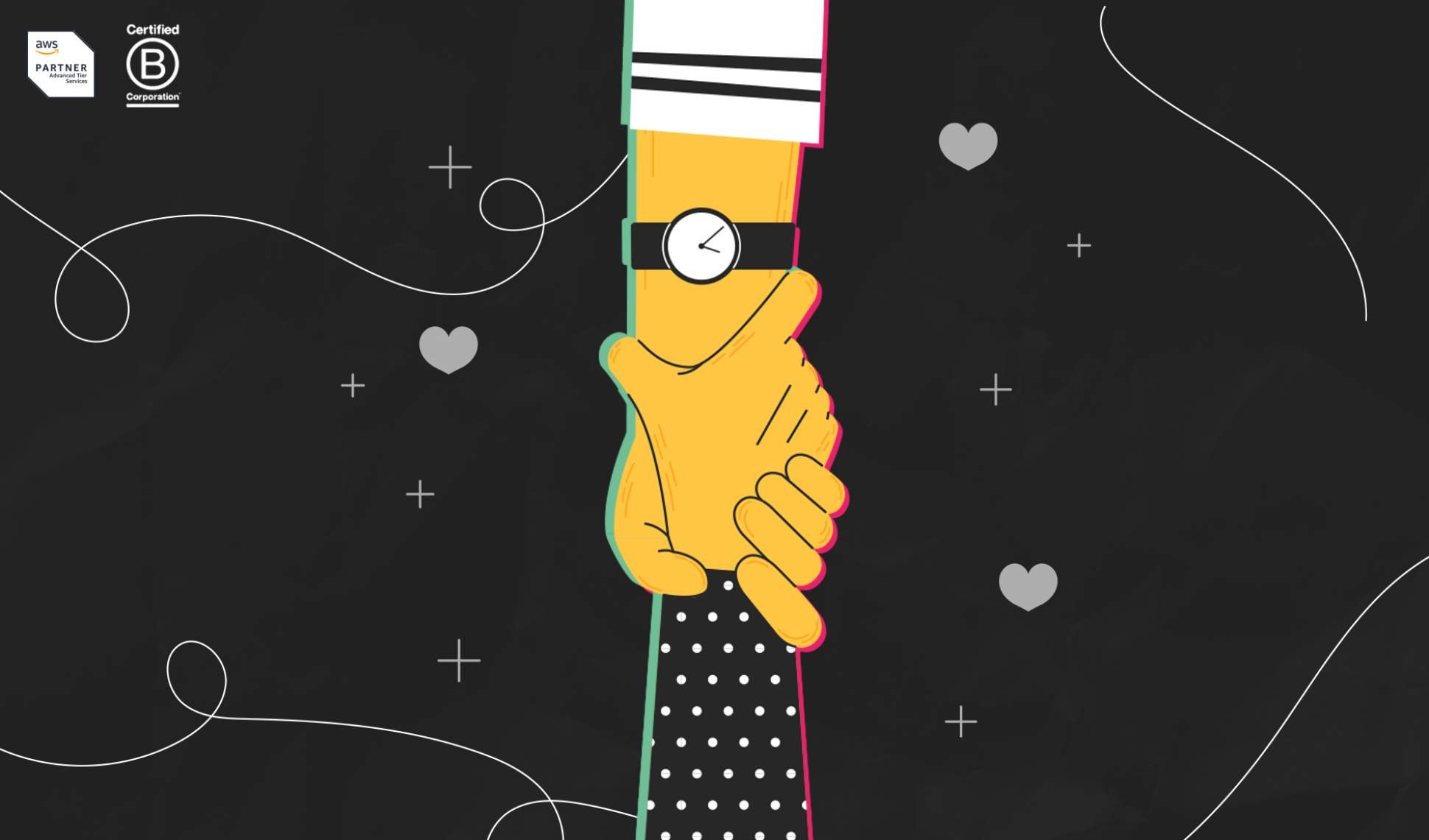
Technology has transformed the way we live, consume, and relate to one other. Technological resources break physical barriers, make daily life more practical, and are even capable of contributing to the population's mental health.
We at CodeBit are taking advantage of Yellow September, a month dedicated to valuing life and preventing suicide, to present some resources developed to help people dealing with difficult situations find a support network, seek professional help, and self-monitor triggers and warning signs.
About Yellow September According to the latest WHO survey (conducted in 2019), over 700,000 suicides were recorded worldwide, not including underreported episodes. In Brazil, around 14,000 cases occur annually, meaning that, on average, 38 people take their own lives every day.
In this devastating context, Yellow September was created back in 2014 by numerous entities, such as the CVV (Life Valuation Center), to provide information and awareness about suicide prevention.
With almost 10 years of action, the movement promotes debates and breaks taboos, allowing people to talk about suicide in different social settings in a broad and conscious way, such as within the family, at work, in the agendas of the press itself, and also of public authorities. In 2023, CVV defined the theme "To Welcome is to Care" to reinforce the importance of welcoming, understanding, empathy, and, above all, openness to dialogue.
The role of technology in suicide prevention
Technology is a great ally in suicide prevention, and there is no shortage of reasons for this. The first is the potential reach of resources, which can impact people in different corners of the globe and in various phases of their lives. Undeniably, the internet is a powerful means of raising awareness, providing information, and educating.
When combined with innovation, the power of technology is enhanced. There are multiple digital possibilities to help those in need, from creating apps that monitor behavior to complete platforms to assist people with suicidal ideation in finding the necessary support and backing, without them having to subject themselves to the bureaucratic processes typically involved in tele-guidance services.
Below, we list some solutions. Check them out in the next topics.
Risk monitoring apps
Risk monitoring apps use trackers to send notifications to selected contacts if any sudden behavior indicating a risk of suicide is identified.
Such as, for example, sending alerts to family members and close people when the patient is near certain locations.
In addition, they can also track the phone and whereabouts of a person at imminent risk of self-harm or self-mutilation, contributing to face-to-face intervention or eventual, more effective rescue.
Support apps
There is a series of apps that aim to offer support to people at risk of suicide, such as the CVV's own app, which allows patients to speak with volunteers who are ready to practice active, empathetic, and non-judgmental listening. All of this in a 100% confidential manner.
In the US, the Samaritans association developed an app called Samaritans Radar, which uses AI capabilities to monitor tweets related to self-harm or suicidal ideation.
Additionally, users registered in the app have access to features like mood tracking (to record how they are feeling), creating a safety plan (to find ways to feel safe during crises), and presenting validated techniques (which help them cope with and overcome difficult situations and feelings).
Anonymous discussion platforms
There are multiple platforms such as forums, groups, and communities on social networks that promote debates and allow users to openly and anonymously discuss their thoughts and feelings regarding suicide.
In practice, they act as true digital support networks and are very important for people struggling with suicidal thoughts who wish to express them free from judgment or negative consequences.
Furthermore, these environments also help the patient seek and offer support to other people going through similar problems.
Virtual reality therapy
Very useful for helping people with different conditions and problems related to mental health, this is a resource that allows the creation of a safe and controlled virtual environment to manifest thoughts, feelings, and experiences, helping users accept and overcome past traumas.
Telemedicine
There are several telemedicine applications and software that enable the provision of remote healthcare services and, in general, allow interaction between doctors, patients, and hospitals.
This solution facilitates sharing test results with other professionals involved in treatment, requesting specialized clinical opinions, and monitoring more complex cases.
Services operate on both physical and mental health issues, and can focus on specific issues like self-harm or suicidal thoughts.
Without a doubt, this is a vital initiative to promote mental well-being and, above all, save lives, especially considering that suicide crises involve acute feelings of sadness and suffering, where any barrier that makes seeking help difficult (such as distance from a psychiatric center) can represent great risks to the patient.
Conclusion
The month of September is an invitation to reflect on what you have been doing for yourself and your health.
Take advantage of this period to look closely at your psychological state, identify which factors negatively affect your emotional well-being, and what measures can be taken.
And, if you need to, do not hesitate to ask for help. Remember: you matter! Your life matters! 💛


" width="15.500294250860316px"><path d="M 0 15.475 L 0 0 L 15.5 0 L 15.5 15.475 Z" fill="transparent" height="15.475099999999998px" id="tPiDQU_MP" width="15.5px"/><path d="M 3.167 1.589 C 3.847 0.724 4.607 0.171 5.61 0.046 C 6.532 -0.07 7.436 0.022 8.277 0.451 C 9.235 0.938 9.681 1.797 9.877 2.797 C 9.987 3.364 10.049 3.948 10.056 4.525 C 10.079 6.395 10.055 8.265 10.075 10.135 C 10.08 10.527 9.944 10.648 9.574 10.641 C 8.799 10.627 8.023 10.63 7.248 10.644 C 6.911 10.65 6.787 10.528 6.789 10.181 C 6.803 8.533 6.799 6.884 6.789 5.236 C 6.788 4.892 6.754 4.545 6.698 4.206 C 6.57 3.433 6.106 2.974 5.443 2.925 C 4.405 2.849 3.714 3.206 3.495 4.018 C 3.37 4.478 3.333 4.972 3.326 5.451 C 3.306 7.002 3.307 8.555 3.327 10.105 C 3.332 10.504 3.208 10.654 2.807 10.644 C 2.032 10.625 1.257 10.63 0.481 10.642 C 0.156 10.647 -0.001 10.546 0 10.193 C 0.007 7.035 0.006 3.876 0 0.718 C 0 0.391 0.104 0.24 0.458 0.249 C 1.219 0.269 1.981 0.267 2.743 0.252 C 3.068 0.245 3.197 0.361 3.17 0.688 C 3.148 0.948 3.166 1.211 3.166 1.589 Z" fill="rgb(245, 240, 237)" height="10.64451194394125px" id="Hw1mXDepj" transform="translate(5.425 4.831)" width="10.075487656011685px"/><path d="M 3.284 5.2 C 3.284 6.764 3.27 8.327 3.292 9.892 C 3.297 10.284 3.158 10.403 2.79 10.396 C 2.015 10.382 1.24 10.386 0.465 10.399 C 0.14 10.403 -0.001 10.305 0 9.947 C 0.012 6.792 0.012 3.637 0.002 0.481 C 0.001 0.123 0.105 -0.01 0.473 0.001 C 1.261 0.023 2.05 0.02 2.839 0.004 C 3.183 -0.003 3.294 0.124 3.29 0.467 C 3.276 2.044 3.284 3.623 3.284 5.2 Z" fill="rgb(245, 240, 237)" height="10.39869818980116px" id="sgvgyFXCr" transform="translate(0.237 5.076)" width="3.292113077251912px"/><path d="M 3.768 1.898 C 3.761 2.945 2.91 3.782 1.859 3.772 C 0.828 3.763 -0.012 2.892 0 1.842 C 0.012 0.824 0.864 -0.003 1.897 0 C 2.956 0.003 3.776 0.834 3.768 1.898 Z" fill="rgb(245, 240, 237)" height="3.772444228811899px" id="M8BOm1cI0" transform="translate(0 0)" width="3.768370362042166px"/></g></svg>)
" height="17px" id="G9twDfI1x" transform="translate(2 2)" width="17px"/></svg>)
" height="17px" id="q6YSjVL3w" transform="translate(6 2)" width="8.5px"/></svg>)
" height="12.720532384492868px" id="Jh_taQ7si" transform="translate(1 3.586)" width="18.00050025px"/></svg>)