Cloud Computing
Cloud environment cleanup: what is it and how to do it?
Cloud environment sanitation: what is it and how to do it? Discover in this article that the CodeBlog team has prepared for you
11/06/2023


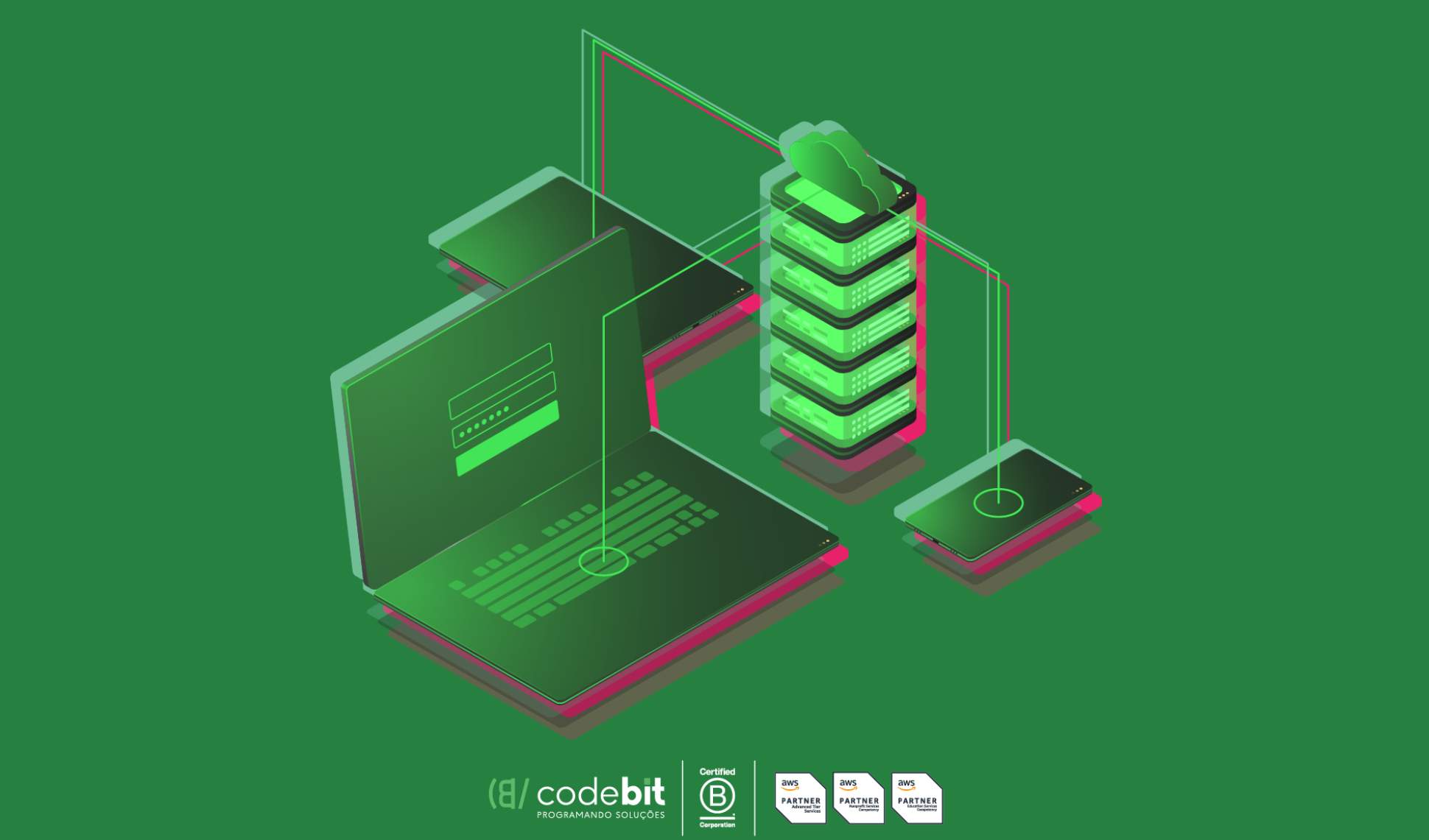
Cloud environment cleanup: what is it and how to do it?
It is no secret that cloud computing is an essential resource for automating processes, reducing costs, and promoting more efficiency for companies across various niches and sizes.
But what not all managers understand is that adopting cloud is not enough to effectively experience all of the tool's features.
More than that, it is necessary to follow best practices, perform the required maintenance, and, above all, clean up the environment with some frequency. And that is what we will talk about in today's blog post!
Do you know what cloud cleanup is and how to do it? Keep reading and find out in this article that we, from the CodeBlog team, have prepared for you.
Cloud Cleanup: The Definition
In few words, cleaning up the cloud involves cleaning the entire environment. This means removing assets that are considered "waste," as well as eliminating resources and features that are not being used.
The cleanup process also checks for prospective files or systems that are inadequately allocated or incorrectly configured.
Hence, the importance of implementing this measure periodically, with technique and professionalism, to avoid unnecessary costs with inefficient tools, which often cause losses to organizations.
With this practice, managers ensure the use of IT tools that are actually useful for boosting team productivity. As a result, they can generate more savings, strengthen an organizational culture focused on results, monitor and optimize tasks, and improve overall team integration.
Cloud environment cleanup and optimization: what is the relationship?
First of all, it is important to highlight that cloud environment optimization also involves the cleanup process, including infrastructure checks, and detecting the presence of unused or improperly configured resources.
Characterized by the "elimination of excesses," cleaning up cloud computing helps ensure that resource allocation is performed with more strategy and efficiency, also contributing to reducing the costs of the cloud service bill itself.
Although the processes are similar and equally important, it is crucial to highlight that cleanup, unlike optimization, does not explore new chances or opportunities for resource usage in the infrastructure, being truly targeted at cleaning the IT environment.
How does cloud cleanup happen in AWS environments?
AWS provides the most popular and successful cloud services on the market. With a wide variety of products, it provides everything from cloud infrastructure to solutions for Big Data and IoT.
Furthermore, AWS is globally known for its credibility, flexibility, and scalability. It is no coincidence that the number of companies migrating their services to the AWS cloud grows every day.
The cleanup of these environments occurs through a complete analysis of the entire AWS structure.
First, checking of all excesses, configurations, or features allocated and not used in the environment is conducted. Soon after, the process of removing unused assets is initiated.
It is advisable that cloud cleanup is carried out by qualified professionals capable of following predefined conditions to prevent platform issues, such as outages, failures, or downtime.
At this point, you can rely on the specialist team at CodeBit - an AWS (Amazon Web Services) partner company - a reference in offering personalized cloud computing solutions for NGOs, private companies, and startups looking to grow and innovate.
Want to find out how to optimize your cloud environment, reduce costs, and boost productivity for your team? Click here and get in touch with us! We are ready to offer tailored solutions, developed with expertise, aiming to turn IT management into a great ally to propel your business's competitiveness.
Additionally, keep an eye on CodeBlog. Soon, we will have new updates here.
Warm regards and see you in the next post!




" width="15.500294250860316px"><path d="M 0 15.475 L 0 0 L 15.5 0 L 15.5 15.475 Z" fill="transparent" height="15.475099999999998px" id="tPiDQU_MP" width="15.5px"/><path d="M 3.167 1.589 C 3.847 0.724 4.607 0.171 5.61 0.046 C 6.532 -0.07 7.436 0.022 8.277 0.451 C 9.235 0.938 9.681 1.797 9.877 2.797 C 9.987 3.364 10.049 3.948 10.056 4.525 C 10.079 6.395 10.055 8.265 10.075 10.135 C 10.08 10.527 9.944 10.648 9.574 10.641 C 8.799 10.627 8.023 10.63 7.248 10.644 C 6.911 10.65 6.787 10.528 6.789 10.181 C 6.803 8.533 6.799 6.884 6.789 5.236 C 6.788 4.892 6.754 4.545 6.698 4.206 C 6.57 3.433 6.106 2.974 5.443 2.925 C 4.405 2.849 3.714 3.206 3.495 4.018 C 3.37 4.478 3.333 4.972 3.326 5.451 C 3.306 7.002 3.307 8.555 3.327 10.105 C 3.332 10.504 3.208 10.654 2.807 10.644 C 2.032 10.625 1.257 10.63 0.481 10.642 C 0.156 10.647 -0.001 10.546 0 10.193 C 0.007 7.035 0.006 3.876 0 0.718 C 0 0.391 0.104 0.24 0.458 0.249 C 1.219 0.269 1.981 0.267 2.743 0.252 C 3.068 0.245 3.197 0.361 3.17 0.688 C 3.148 0.948 3.166 1.211 3.166 1.589 Z" fill="rgb(245, 240, 237)" height="10.64451194394125px" id="Hw1mXDepj" transform="translate(5.425 4.831)" width="10.075487656011685px"/><path d="M 3.284 5.2 C 3.284 6.764 3.27 8.327 3.292 9.892 C 3.297 10.284 3.158 10.403 2.79 10.396 C 2.015 10.382 1.24 10.386 0.465 10.399 C 0.14 10.403 -0.001 10.305 0 9.947 C 0.012 6.792 0.012 3.637 0.002 0.481 C 0.001 0.123 0.105 -0.01 0.473 0.001 C 1.261 0.023 2.05 0.02 2.839 0.004 C 3.183 -0.003 3.294 0.124 3.29 0.467 C 3.276 2.044 3.284 3.623 3.284 5.2 Z" fill="rgb(245, 240, 237)" height="10.39869818980116px" id="sgvgyFXCr" transform="translate(0.237 5.076)" width="3.292113077251912px"/><path d="M 3.768 1.898 C 3.761 2.945 2.91 3.782 1.859 3.772 C 0.828 3.763 -0.012 2.892 0 1.842 C 0.012 0.824 0.864 -0.003 1.897 0 C 2.956 0.003 3.776 0.834 3.768 1.898 Z" fill="rgb(245, 240, 237)" height="3.772444228811899px" id="M8BOm1cI0" transform="translate(0 0)" width="3.768370362042166px"/></g></svg>)
" height="17px" id="G9twDfI1x" transform="translate(2 2)" width="17px"/></svg>)
" height="17px" id="q6YSjVL3w" transform="translate(6 2)" width="8.5px"/></svg>)
" height="12.720532384492868px" id="Jh_taQ7si" transform="translate(1 3.586)" width="18.00050025px"/></svg>)